
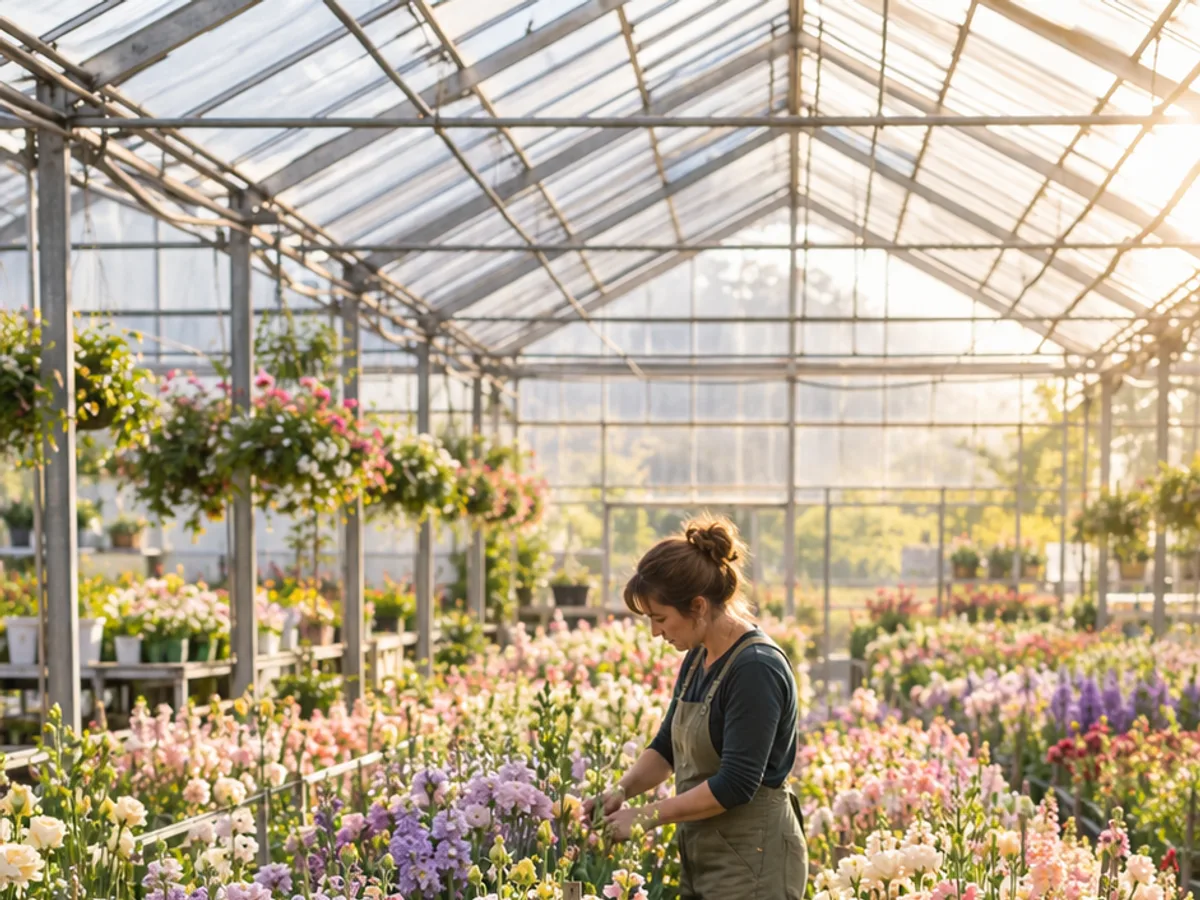
Put a bunch of cut flowers, a feed sack and a water sample beside the same blank form. A date and a quantity will tell you something about each. They will leave out much of what matters. The useful questions change with the enterprise: which growing cycle, which quality requirement, which flock, which tank? Cultivra’s four workspaces reflect those different records and decisions.
Crops: keep the observation with the growing cycle
A field name alone cannot tell the whole story when the same ground carries successive crops. Attach work and observations to the current cycle, and make the date clear. An observation about yellowing leaves from an earlier planting should remain distinguishable from what someone saw on today’s walk.
For example, after noticing uneven growth along a field edge, record where it occurred, when it was seen and what follow-up is planned. Keep any explanation provisional until it has been checked. Cultivra’s Crop workspace includes field cycles, crop-health observations, weather, tasks and farm finances. Reading those records together can help frame the next field visit. A weather view provides context; it does not establish the cause of a crop problem.
Flowers: carry quality through to the buyer’s order
A stem count needs company. The growing cycle, quality, handling and delivery commitment can all affect what that count means. Harvested stems, stems ready for an order and stems already dispatched represent different stages of work. Keep the stages clear when reviewing what can be promised.
Consider a buyer order being prepared for collection. Before confirming readiness, compare the order requirements with the recorded stems and quality observations, then check the handling and collection arrangements. Record an unresolved shortfall where the next person can see it. The Flowers workspace organizes cycles, stems, quality, harvest and handling calendars, buyer orders and deliveries. The practical discipline is to keep the production record close to the commitment being made, including any change that still needs the buyer’s agreement.
Poultry: make each production entry traceable to its flock
A feed total without a flock reference makes later comparisons difficult. Record which flock the entry concerns and the period it covers. Keep units consistent, and separate feed purchased from feed recorded as used. A delivery into the store should not quietly become a feeding entry.
For a laying flock, an illustrative daily review could bring together recorded egg production, feed use, health observations and unfinished tasks. If an entry is missing, leave the gap visible rather than filling it with yesterday’s figure. Cultivra’s Poultry workspace brings flock and production records together with feed, health observations, tasks and batch economics. Those records provide material for a closer check; an unusual production entry alone cannot establish a health diagnosis. Keep the original observation available when seeking qualified advice.
Fish: preserve the measurement’s place, time and unit
A water-quality value loses much of its usefulness without the pond or tank, measurement time and unit. Keep those details beside it. Record the measurement time separately from the entry time if the result is written up later. A sample from yesterday should remain visibly different from one taken this morning.
Growth records need similar care. Keep the measurement date and the stock it relates to clear, then review it alongside recorded feeding and stocking information. Cultivra’s Fish workspace covers ponds, tanks, stock, water quality, feeding, growth and harvest planning using the measurements recorded. A buyer-readiness discussion should therefore refer to dated measurements and the stock under discussion. Across all four enterprises, keep the shared administrative habits simple while allowing the production details to remain specific.
Further reading
Cultivra: Crop, Flowers, Poultry and Fish workspacesLinked Optimization Network for Intelligent Systems